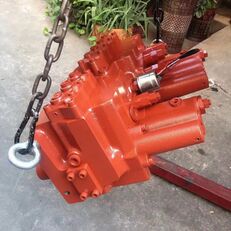
4178811 distribuidor hidráulico para Hitachi EX200-6 excavadora midi


Si decide comprar maquinaria a un precio inferior, póngase en contacto con el verdadero vendedor. Recopile toda la información que le sea posible sobre el propietario de la maquinaria. Una forma de engaño es presentarse como empresa. En caso de sospecha, infórmenos mediante el formulario de comentarios y sugerencias para que lo comprobemos.
Antes de confirmar una compra, revise detenidamente varias ofertas de venta para ver cuál es el precio medio del equipo elegido. Si el precio de la oferta que le interesa es mucho menor que el de ofertas similares, piénselo dos veces. Una diferencia de precio significativa puede conllevar a defectos ocultos o a un intento de fraude por parte del vendedor.
No compre productos cuyo precio diste mucho del precio medio de equipos similares.
No acepte compromisos dudosos o mercancías con prepago. Si no lo tiene claro, no dude en solicitar aclaraciones, pida fotos adicionales y documentos del equipo, compruebe la autenticidad de los mismos y pregunte todo lo necesario.
Esta es la forma más habitual de fraude. Ciertos vendedores pueden requerir una cantidad del pago por adelantado en concepto de «reserva» de su compra. Así, los estafadores perciben grandes cantidades de dinero y después desaparecen sin dejar huella.
- Transferencia de prepago a la tarjeta
- No realice un pago por adelantado sin documentación que confirme el proceso de transferencia de dinero, si durante la comunicación con el vendedor ha surgido alguna duda.
- Transferencia a una cuenta «fiduciaria»
- Dicha solicitud debe alarmarle, ya que en la mayoría de los casos se trata de fraudes.
- Transferencia a una cuenta de una empresa con un nombre similar
- Tenga cuidado, ya que los estafadores pueden ocultarse tras la identidad de empresas reconocidas, realizando modificaciones mínimas en su nombre. No transfiera dinero si tiene dudas sobre el nombre de la empresa.
- Sustitución de sus propios datos en la factura de una empresa real
- Antes de realizar una transferencia, asegúrese de que los datos especificados sean correctos y que aludan a la empresa en cuestión.
Contactos del vendedor

 +86 189 289...
+86 189 2896 5241

 China


 China


 China
Product Overview
The EX200‑6 marks the point where Hitachi's 20‑ton excavator gained proper electronic control — but the hydraulic block underneath stayed mechanical, and it is that block which decides how the electronics translate into actual digging. The distribution valve assembly, referenced across three numbers: 4178811, 4224900 and 4210509, divides pump flow among boom, arm, bucket, swing and travel. When the electronic side is healthy and the valve is worn, the machine feels unresolved — the controls respond, but the movement behind them is soft.
That softness has a pattern. The boom sinks slowly while holding a load, so every truck loading pass needs correction. The arm takes up slack before it moves. The swing lands short of the operator's stop, then hunts back. Travel slows whenever the bucket is cycled. Inside the block, spools and bores have worn enough that oil crosses between circuits, and pressure intended for one function leaks into another. This aftermarket assembly replaces the complete block with fresh internals trimmed to Hitachi's ‑6 specification, so the worn unit comes off as one piece and the replacement goes on in the original hose positions.
Core Advantages
1. Three references resolved to one correct block
Production runs of the EX200‑6 used different valve configurations. Rather than guessing which number your machine carries, we match it from the serial and tag photo before dispatch.
2. Electronic control finally has hydraulics to match
The ‑6 control system expects tight, predictable response. Fresh spool clearances give it that, so lever input and machine movement line up again.
3. Bucket loading cycles stop needing correction
A drifting boom means a re‑spot on every pass. Restored pressure retention keeps the bucket where it was placed while the truck pulls away.
4. Swing placement becomes first‑attempt reliable
Restored circuit separation puts the house where the operator stopped it, ending the habit of overshooting and correcting back.
5. Complete replacement avoids a partial fix
Worn blocks often have more than one circuit out of tolerance. Replacing the whole assembly addresses all of them in a single installation rather than chasing failures one at a time.
Manufacturing & Quality Control
Bore and spool pairs are machined, matched, and run‑in by hand until movement is free of binding across the full stroke. Each assembled valve is bench‑tested circuit by circuit, with relief and compensator values logged against Hitachi ‑6 figures; assemblies outside window are disassembled and corrected. Units ship internally fogged, ports capped, and packed in foam‑lined crates.
Frequently Asked Questions
Q1: My tag shows a different number than these three — what then?
A: Send a clear photo of the tag and the machine serial number. The three references cover the common EX200‑6 configurations, and where a machine carries an alternate block we identify it rather than force a substitute.
Q2: How does the valve interact with the machine's electronic control?
A: The electronics command the pilot pressure; the valve does the metering. A worn block will still follow commands but deliver inconsistent movement, which is why valve wear can look like a control fault.
Q3: Can a control fault and valve wear be confused?
A: Yes. If the machine throws codes or has dead functions, address the electronics first. If functions work but drift, lag or overshoot, the valve is the likely cause. A circuit leak test confirms.
Q4: What is the expected installation time?
A: With the machine cool and the side cover open, removal and refit take most of a day, followed by bleeding and a pressure check before returning to production.
Q5: Do I need to replace filters and oil with the new valve?
A: Yes. Flush the system, renew the return filter, clean the suction strainer and refill with specified oil before starting. Debris from the old block will damage fresh clearances.
Q6: What is excluded from cover?
A: Material and assembly faults are covered. Damage from contaminated oil, water ingress, forcing a stuck spool, or reliefs altered outside specification is not. Photograph the packaging before unpacking if it arrives damaged.